01 / Digital payments · Dominican Republic · 2022
CARDNET / MONI PAY
Defining the experience before investing in building it.
I connected research, flow definition and user evaluation to shape a payments MVP and document changes before development. I worked alongside the PALO IT and CARDNET teams.
Outcome: Tested prototype · not launched
- Role
- Product Designer · CX / Product Design
- Scope
- Product definition + tested prototype
- Team
- PALO IT + CARDNET · CX/UX, UX design, solution architecture and development
- Timeline
- 24 Oct – 9 Dec 2022 · about 7 weeks
Featured case
The challenge
The challenge: Turning a business ambition into a product proposition
CARDNET wanted to expand its digital offering for cardholders. Research revealed needs around trust, control over charges and access to tasks spread across channels.
The challenge was to connect those needs to a product proposition we could evaluate before investing in development.
My contribution
My contribution: From workshop to usability testing
I facilitated the workshop, synthesized findings and translated them into journeys, information architecture and user flows. I contributed to prototyping, designed and ran usability tests, documented changes and presented the proposal to the client.
Product definition and visual design were collaborative efforts across CX/UX, solution architecture and development. The decisions below belong to the team; my contribution was facilitation, synthesis, flows and evaluation.
Value proposition
Value proposition: Everyday transactions in one shared structure
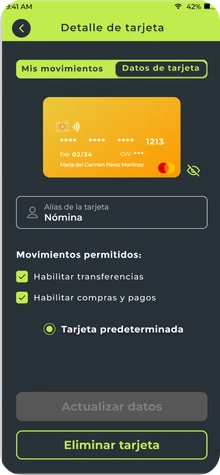
Connect cardholder needs to a testable payments MVP before investing in development: cards, transfers, payments and spending overviews within one navigation model.
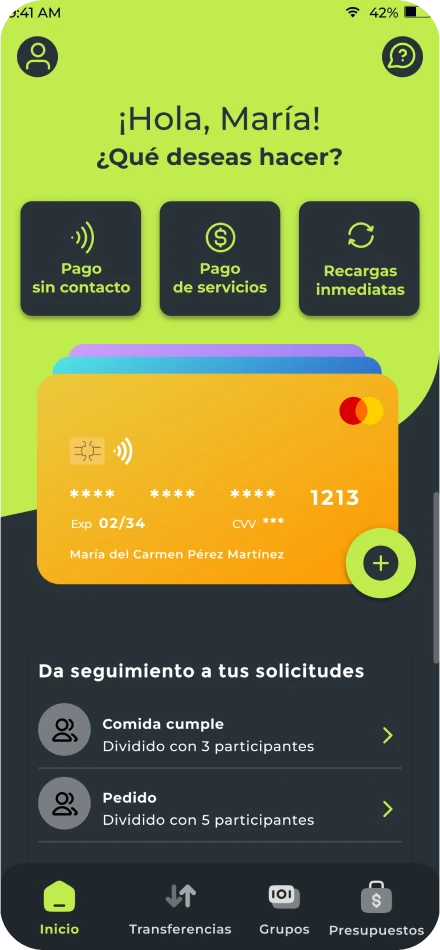
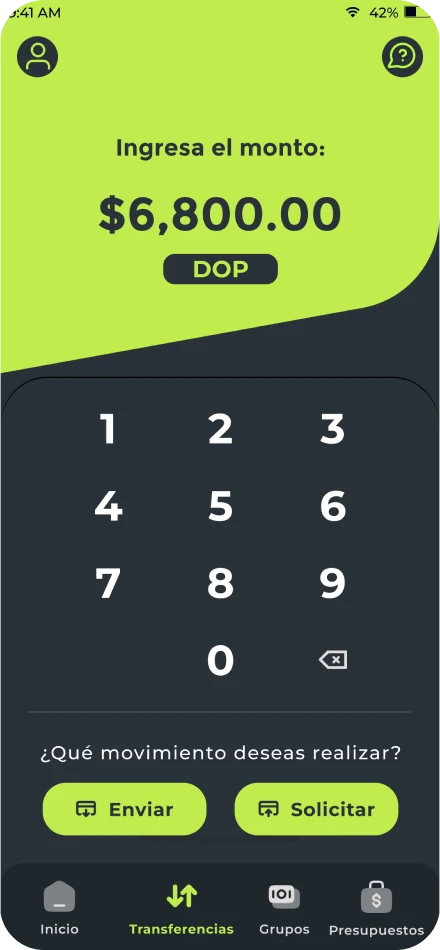
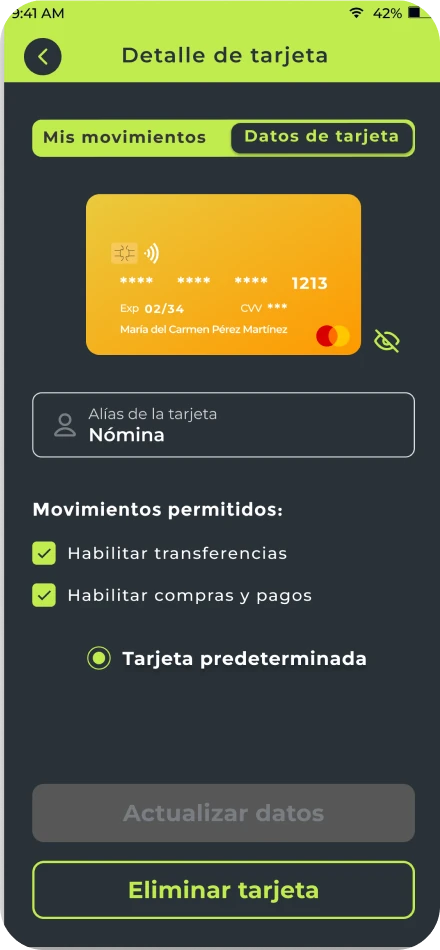
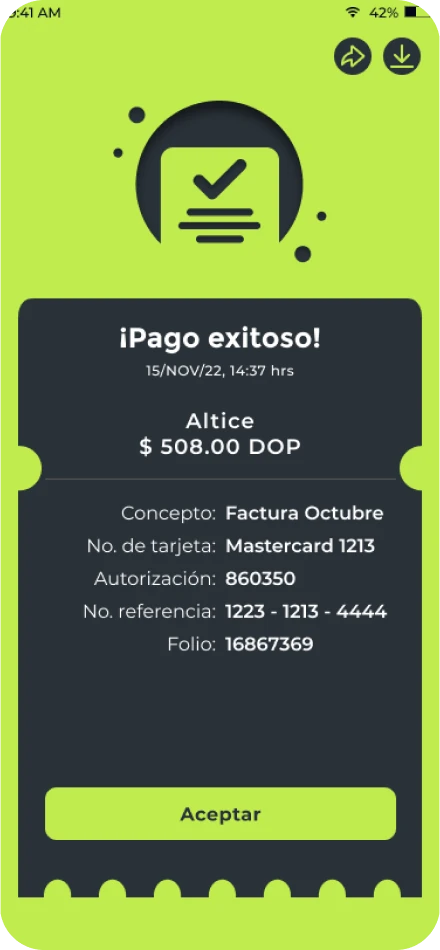
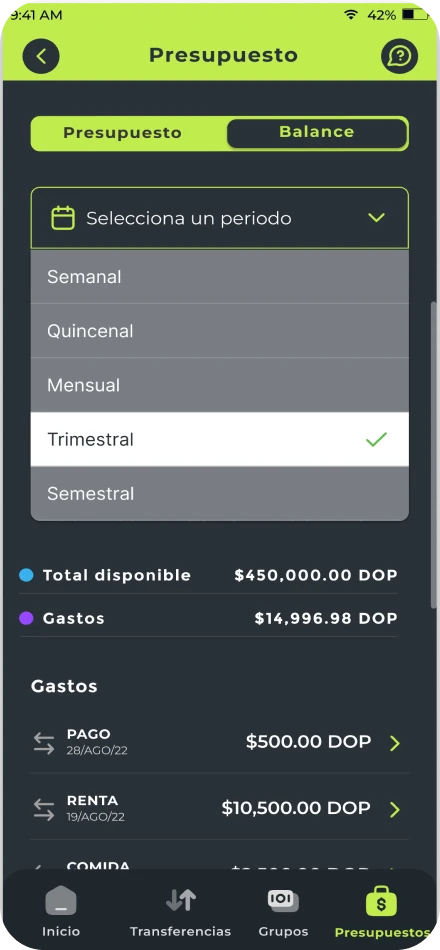
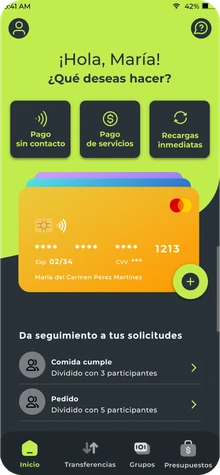
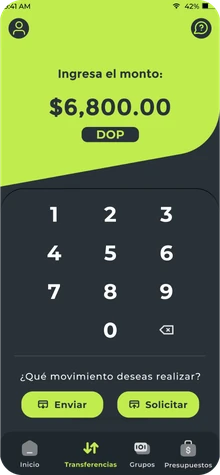
MONI PAY prototype screens (Spanish UI). They show the proposal developed with the team, not a released product.
Decisions and evidence
Decisions and evidence: From the workshop to post-testing changes
From workshop to MVP proposal
Together, we connected user needs with CARDNET’s services: payments, transfers and cards from different financial institutions. The workshop helped define the proposition; the materials capture the prioritization, business assumptions and collaborative work.

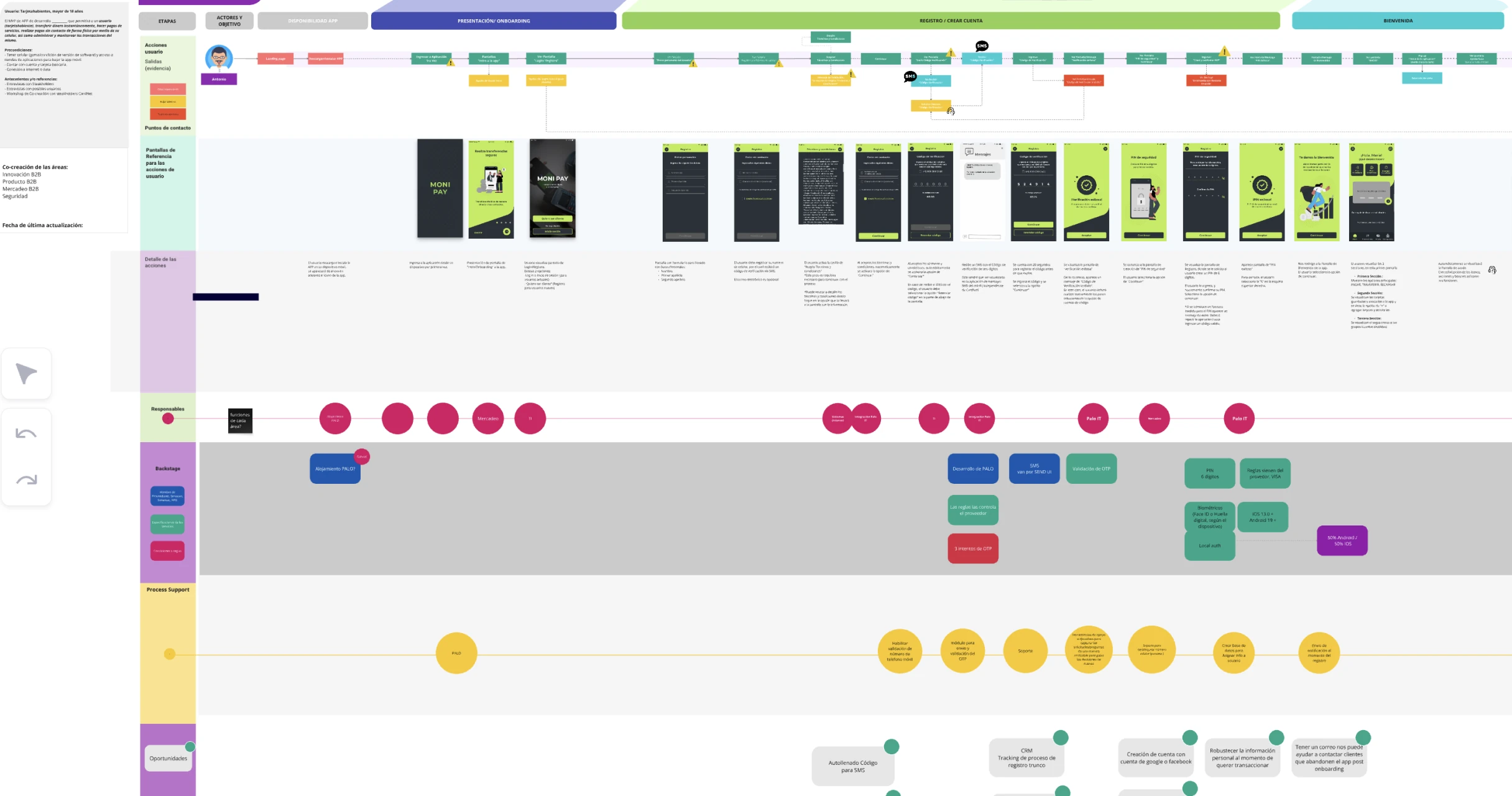
Journeys, architecture and blueprint
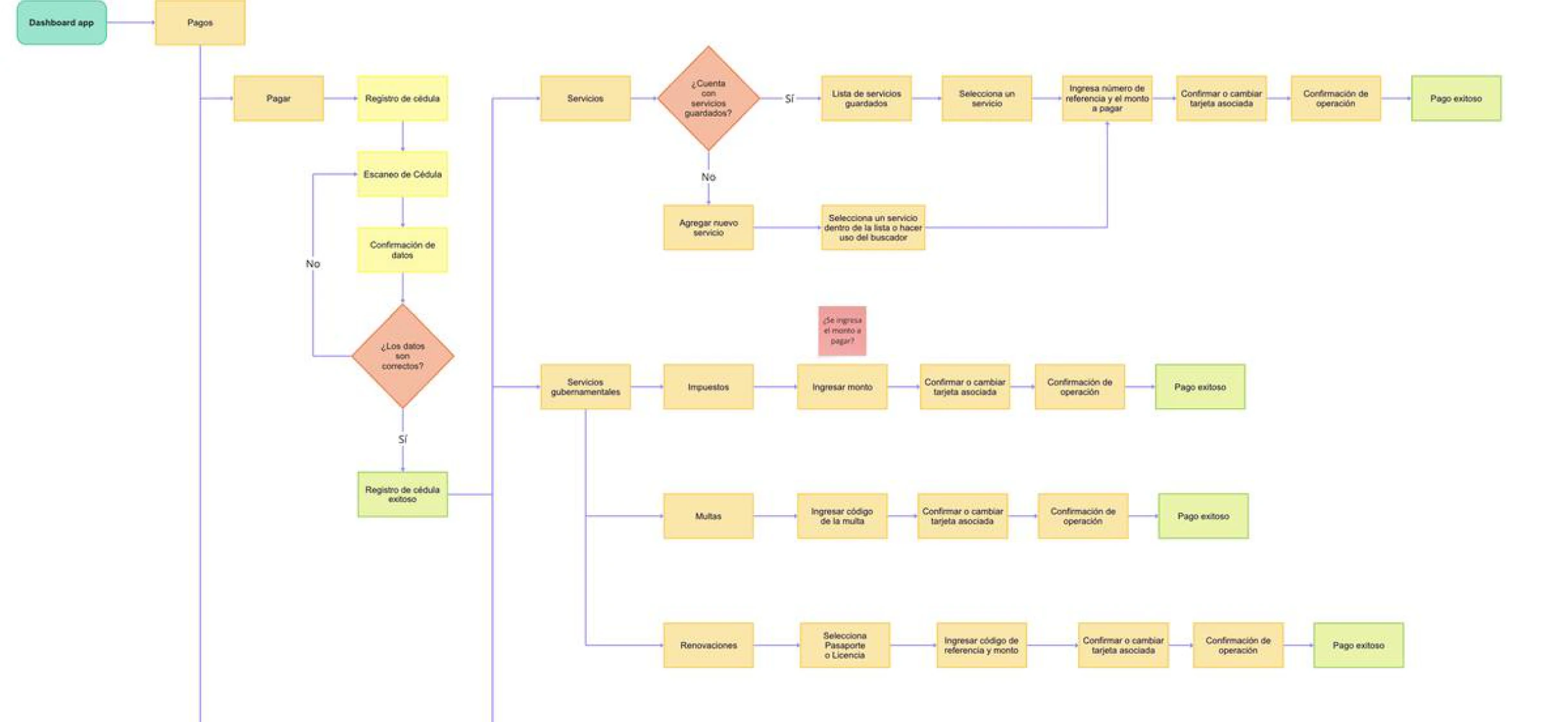
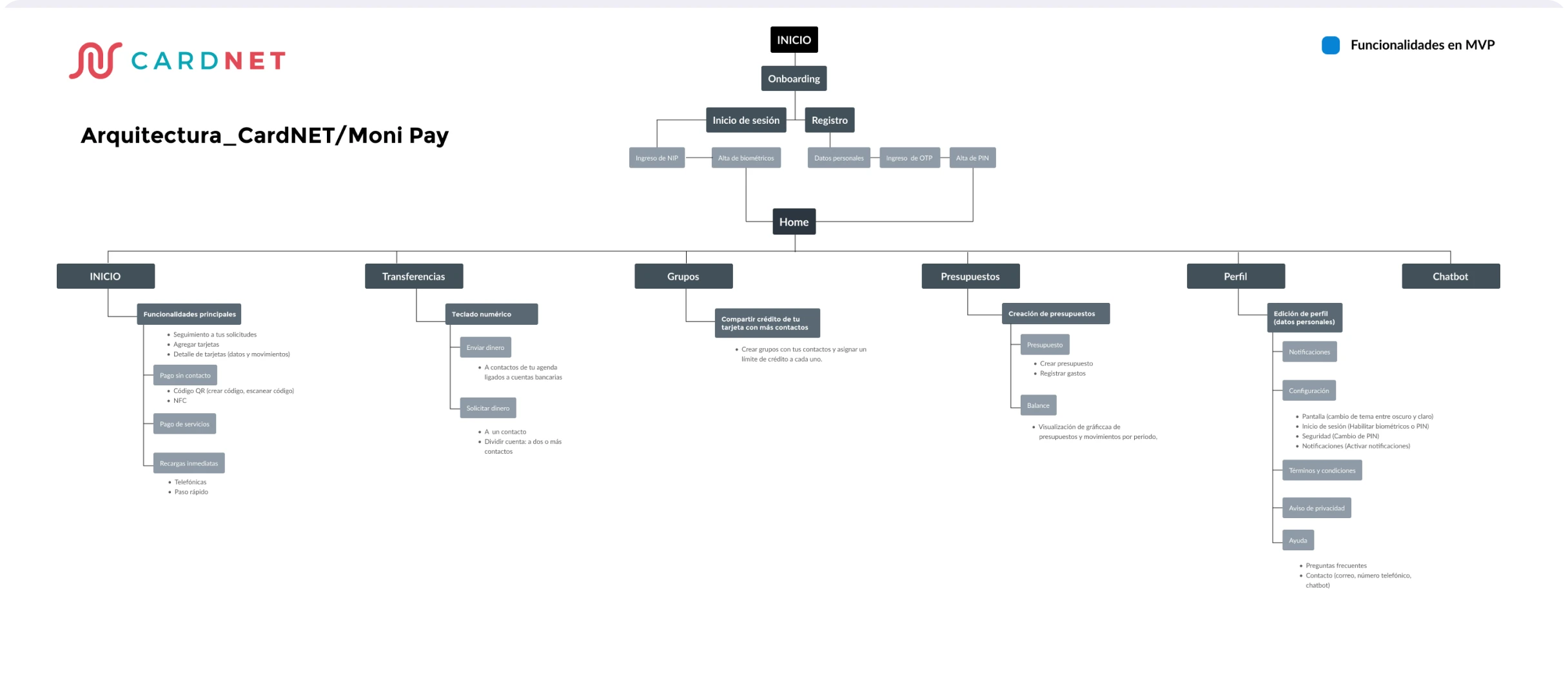
Journeys, information architecture and a service blueprint mapped the MVP’s flows and dependencies. Select an image to enlarge it.
Testing changed registration, Home and transfers
We evaluated registration, payments, transfers, budgets and group tasks in remote sessions using the Figma prototype. The issues we observed informed changes to structure, navigation and information.
01 Clarify registration
- Observed
- The form was difficult to follow, even though the requested information was appropriate.
- Decision
- Separate personal and contact details, add a step indicator and simplify the second surname field.
02 Rethink Home
- Observed
- Starting in Transfers made the other features harder to find.
- Decision
- Reorganize navigation and bring actions and information together on Home to give tasks context.
03 Structure the transfer
- Observed
- Too much information at once made the form difficult to scan.
- Decision
- Show only what each entry step needs, then bring the details together for review before confirmation.
Impact and actual scope
Impact and actual scope: A tested prototype and a documented proposal
CARDNET received evaluated flows, documented changes, journeys, information architecture and a service blueprint. My work connected findings to concrete changes in registration, Home and transfers.
Budget constraints stopped the next phase: the outcome is product definition and the qualitative evaluation of a prototype.
Learnings
Learnings: Make decisions explicit before implementation
The project helped me connect business goals with the problems observed in testing. I would keep that clear link between finding, flow and design change.
Today, I would define success criteria, error states and a measurement plan from the start, so evaluation could continue through implementation.
What can’t be claimedwithout measurement
What can’t be claimed: Definition and evaluation, not a launched product
- MONI PAY did not launch: there are no adoption, usage, conversion or business metrics.
- Testing was qualitative and prototype-based; its findings are not production performance.
- Product and visual design decisions were made as a team with PALO IT and CARDNET.